
Another Deadly Morning on SR-67: Why This Highway Keeps Taking Lives, and What Injured Families Need to Know
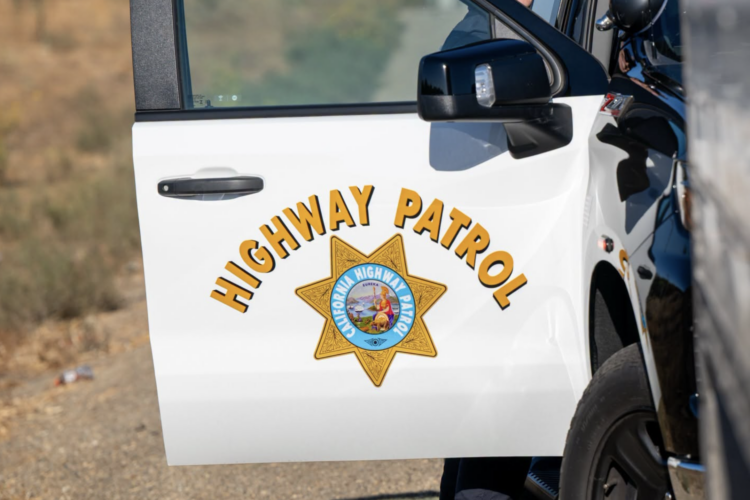
Fatal SR-67 Crash
On Tuesday morning, November 10, 2026, at least one person was killed in a two-vehicle crash on State Route 67 near Posthill Road, in the Eucalyptus Hills area near Lakeside. According to ABC 10News, the California Highway Patrol closed the southbound lanes around 9 a.m., and the cause of the crash remains under investigation. Learn more about the fatal SR-67 crash.
November 10, 2026 | By Pajman Jassim – Jassim Law, San Diego Personal Injury Trial Attorneys
Our thoughts are with the family who received the worst possible phone call this morning. We do not know what caused this crash, and we will not speculate. But for anyone who driver SR-67 regularly, lives in Lakeside, Poway, or Ramona, the headline is painfully familiar.
A Highway With a Long and Documented History
SR-67 runs from Interstate 8 in El Cajon to State Route 78 in Ramona. South of Lakeside it is a freeway. North of Mapleview Street it becomes an undivided highway that winds through the hills toward Poway and Ramona, and that is the stretch that earned the nickname “Slaughterhouse Alley.”
The record goes back decades:
- 1996 to 1999: 413 collisions and 15 deaths were recorded on SR-67, which led the state to authorize a shoulder-widening project in 2000.
- July 2025: A three-car crash near Iron Mountain Drive killed five people. Roughly twelve hours later, another crash near Quail Rock Road killed at least one more. Ramona planning group minutes later referred to eight people killed on SR-67 within ten days.
- November 2026: This morning’s fatal crash near Posthill Road.
Caltrans has said it invested more than $60 million in the corridor over a ten-year period, and it is studying a larger SR-67 Improvements Project covering about 16 miles between Mapleview Street and the Highland Valley/Dye Road area. Residents and local planning groups have asked for a median barrier for years. Caltrans has studied the idea and has raised concerns that include emergency evacuation.
In the meantime, the catastrophic crashes continue…
Speed Leaves No Margin for Error | Fatal SR-67 Crash
SR-67 is a commuter route, a truck route, and the main road in and out of Ramona. It has curves, grades, limited shoulders, and long stretches where opposing traffic is separated by little more than a painted centerline and rumble strips.
On a road like that, speed changes everything. A driver who drifts a few feet at highway speed is no longer making a small mistake. That driver is in the oncoming lane. Distraction, following distances, and road design all can play a part in the perfect storm that leads to tragedy.
Too many people drive SR-67 as if it were an interstate. Sheriff’s deputies reported 54 traffic stops and 19 citations on SR-67 in June 2026 alone. California’s basic speed law, Vehicle Code section 22350, does not simply ask whether a driver was under the posted limit. It prohibits driving faster than is reasonable or prudent given the traffic, the visibility, and the surface and width of the highway.
On much of SR-67, a safe speed is often lower than drivers want it to be.
Our Experience on SR-67
Jassim Law has handled several serious injury cases arising from collisions on SR-67. One of them resulted in a $9,000,000 settlement after a tractor-trailer lost control on SR-67 and swerved into oncoming traffic.
In our experience, in a serious highway collision, and especially one involving a commercial truck, the evidence that decides the case does not last.
Electronic data from the vehicles, driver logs, dispatch records, dash camera footage, and physical evidence on the roadway can be lost within days or weeks. That is why we prepare every case for trial from the first day and file suit early, so that we can serve subpoenas and preserve the evidence before it disappears.
When the Road Itself Is Part of the Problem
Most crash cases focus on the drivers. Sometimes the roadway is also a cause. Under Government Code section 835, a public entity can be liable for an injury caused by a dangerous condition of its property when:
- the property was in a dangerous condition at the time of the injury;
- the dangerous condition was a proximate cause of the injury;
- the condition created a reasonably foreseeable risk of the kind of injury that occurred; and
- either a public employee’s negligent or wrongful conduct created the condition, or the entity had actual or constructive notice of it in time to take protective measures.
A “dangerous condition” means a condition that creates a substantial risk of injury when the property is used with due care in a reasonably foreseeable manner (Gov. Code, § 830, subd. (a)). On a highway, that can involve a missing or inadequate barrier, poor sight distance, inadequate warnings, or a hazardous shoulder.
Importantly, another driver’s negligence does not automatically let the government off the hook. The California Supreme Court has recognized that a public entity may be liable when a dangerous roadway condition combines with a third party’s negligent driving to cause injury. (See Ducey v. Argo Sales Co. (1979) 25 Cal.3d 707; Cordova v. City of Los Angeles (2015) 61 Cal.4th 1099.)
These are not easy cases. Public entities have defenses that private defendants do not, including design immunity under Government Code section 830.6. Not every road with a bad reputation is a “dangerous condition” in the legal sense. Proving one requires engineering experts, collision history, and the entity’s own records. An honest evaluation has to happen early, because of the deadline discussed next.
The Six-Month Deadline Most People Never Hear About
In an ordinary California injury case, a lawsuit generally must be filed within two years (Code Civ. Proc., § 335.1). Claims against the government are different. Before suing a public entity for injury or death, the injured person or family must first present a written government claim, and that claim must generally be presented within six months of the incident (Gov. Code, § 911.2).
- Who receives the claim: SR-67 is a state highway, so a roadway claim is directed to the State. Claims against Caltrans for more than $12,500 are presented to the Government Claims Program at the Department of General Services. A crash on a city or county road requires a claim to that city or county instead.
- What happens next: The entity generally has 45 days to act on the claim (Gov. Code, § 912.4). If it sends written notice rejecting the claim, the lawsuit generally must be filed within six months of that notice (Gov. Code, § 945.6).
- If the deadline is missed: Relief from a late claim is limited and is never guaranteed (Gov. Code, § 911.4).
Six months passes quickly for a family that is in a hospital or planning a funeral. By the time many people think to call a lawyer, the government claim deadline is close or already gone.
What to Do After the Fatal SR-67 Crash
- Get medical care first. Follow through with treatment and keep your records.
- Preserve the vehicles. Do not let an insurer salvage or repair a vehicle until it has been inspected and its data downloaded.
- Save everything. Photographs, dash camera video, the CHP report number, and the names and phone numbers of witnesses.
- Be careful with insurers. You are not required to give the other driver’s insurance company a recorded statement.
- Ask about the government claim deadline early. Whether the roadway played a role is a question that has to be answered within months, not years.
Act Now! Talk to a Trial Lawyer | Wrongful Death | Fatal SR-67 Crash
Jassim Law is a San Diego personal injury trial firm. We take a limited number of serious injury and wrongful death cases and prepare each one for trial. If you or someone in your family was seriously hurt on SR-67 or any other San Diego County road, we are glad to talk with you about what happened and what your options are. There is no fee for the consultation.
Jassim Law | 16885 Via Del Campo Ct., Suite 324, San Diego, CA 92127
Attorneys
JASSIM LAW
- Top 10.00 Avvo-rated attorney
- San Diego’s Best Attorneys
- Super Lawyers
- Member of San Diego, Los Angeles and Orange county bar associations